My Cart

Attracting Unique Winter Birds to Your Backyard
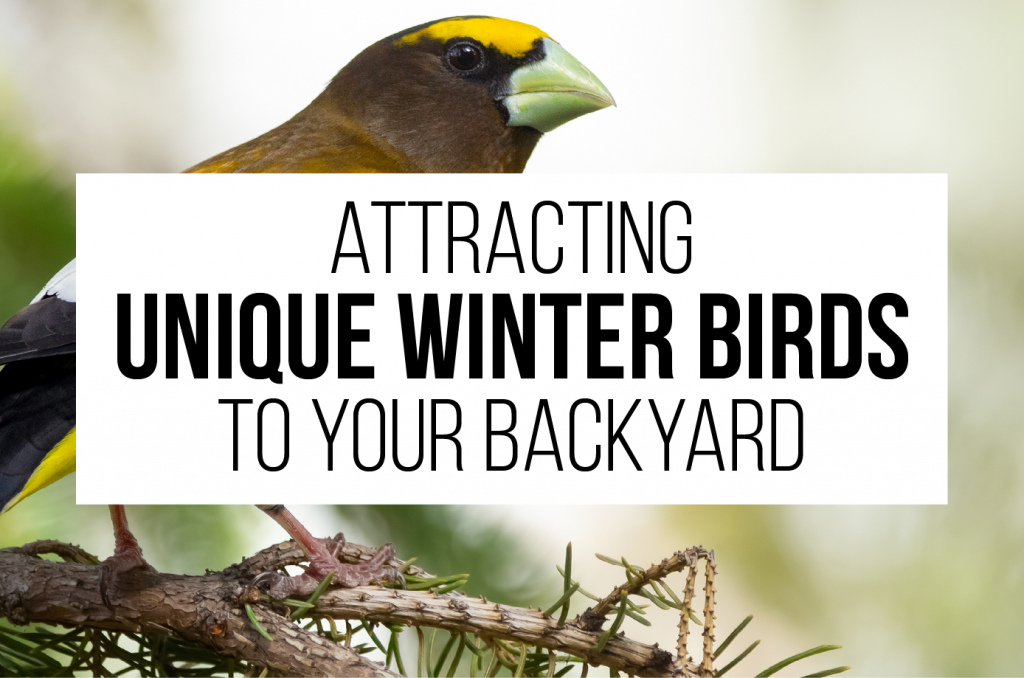
Introduction
Winter is an especially exciting season for birdwatchers, as colder weather brings a variety of unique and less common species into our area. While many birds migrate south, others move erratically from year to year, making winter feeders a prime opportunity to spot something unexpected. From stealthy forest foragers to colorful finches and elusive warblers, your backyard can become a vital stopover when food is scarce. With the right setup, you may be rewarded with visits from birds you don’t see the rest of the year.
Selecting the Right Feeder
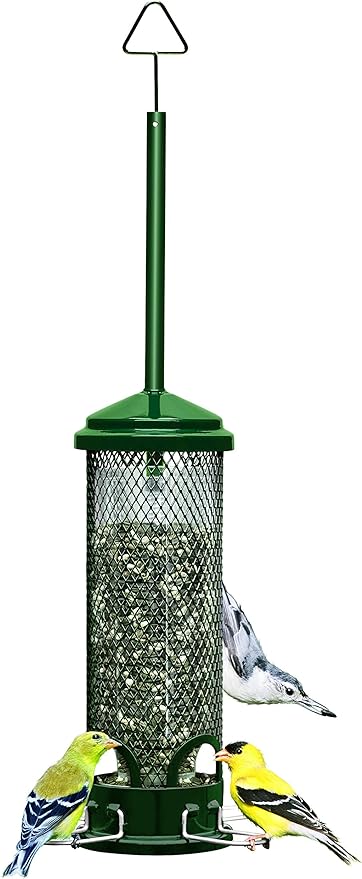
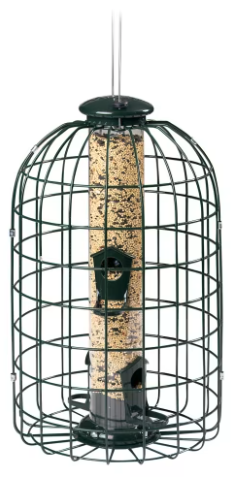
Offering a variety of feeder styles is the best way to attract unique winter birds with different feeding behaviors. Tube feeders are ideal for species like purple finches and pine siskins, which often travel in flocks and prefer sunflower seeds or nyjer. These birds are known for their unpredictable winter movements—some years they’re abundant, and other years they may not appear at all.
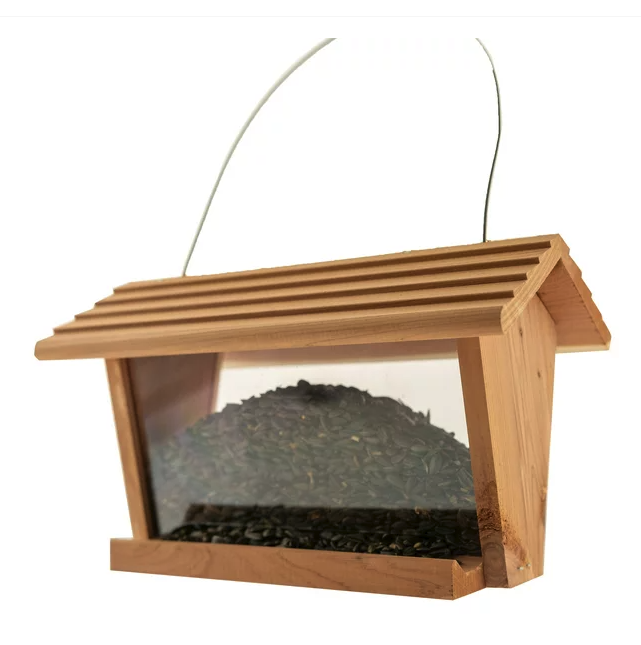
Hopper feeders provide shelter from snow and accommodate birds such as yellow-rumped warblers and pine warblers, two species that often surprise people by staying north during winter. Yellow-rumped warblers are especially unique, as they can digest waxy berries from bayberry and wax myrtle, allowing them to overwinter when other warblers cannot.
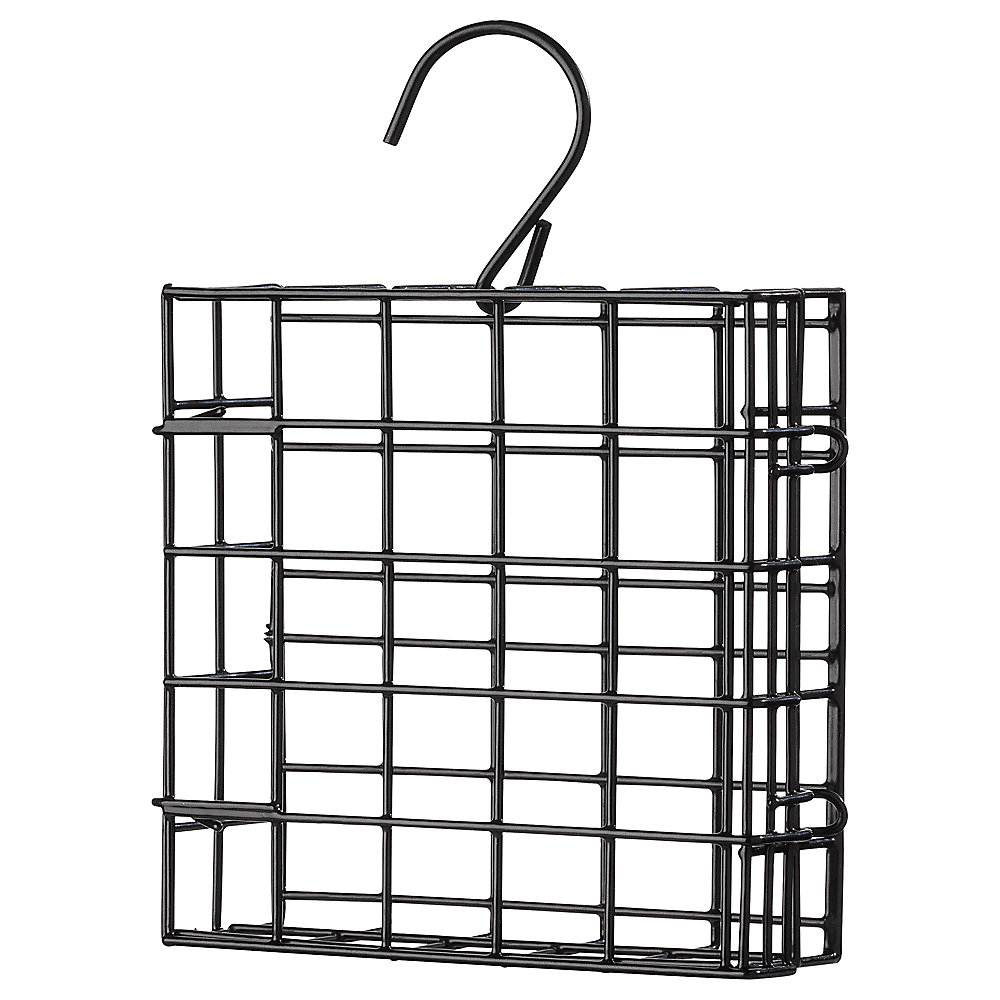
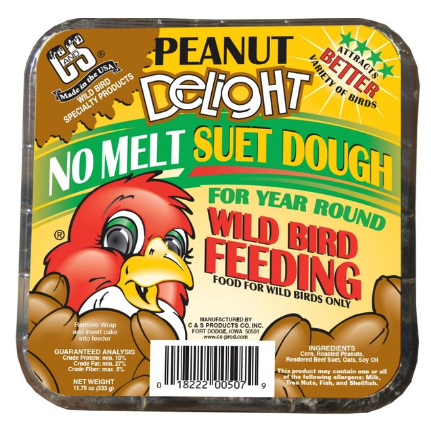
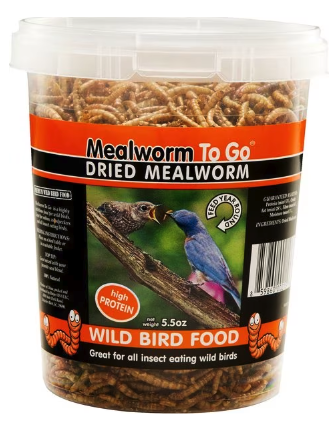
Suet feeders are essential for attracting insect-eating birds that rarely visit traditional seed feeders. Ruby-crowned kinglets, golden-crowned kinglets, and brown creepers rely on high-fat foods to fuel their constant movement as they glean insects from bark and foliage. Brown creepers, in particular, are fascinating to watch as they spiral upward along tree trunks, searching for hidden insects.
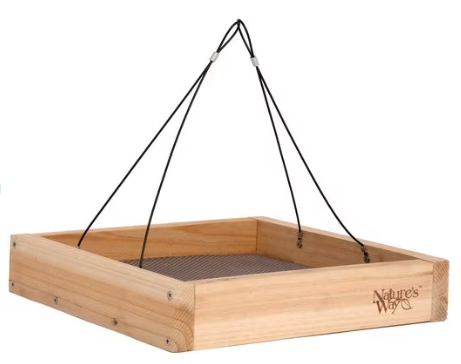
Platform feeders work best for ground-foraging species such as white-throated sparrows, white-crowned sparrows, fox sparrows, and hermit thrushes. These birds often stay hidden in brush piles and shrubs, scratching through leaf litter for seeds and berries. Providing a low, open feeder near cover can bring these shy visitors into view. Platform feeders may also attract rare winter guests like Baltimore orioles when fruit or jelly is offered.
Choosing Foods That Attract Unique Winter Birds
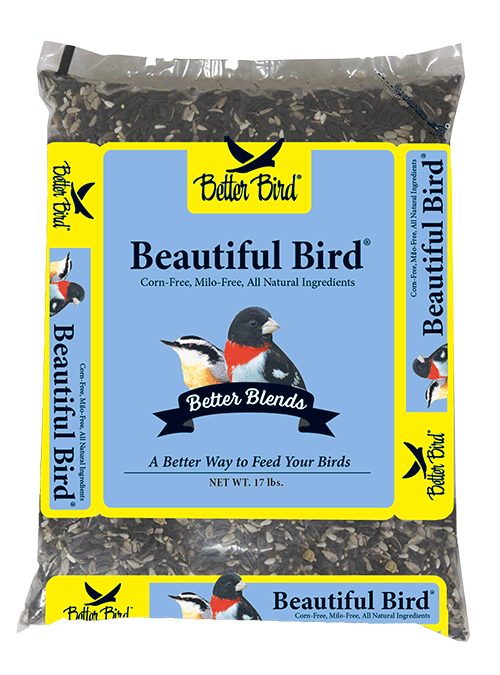
To draw in unique winter birds, variety is key. Black oil sunflower seeds remain a favorite, but adding hulled sunflower seeds, millet, cracked corn, peanut hearts, mealworms, suet, and fruit greatly increases diversity. During snowstorms, birds rely heavily on feeders, so keeping them well-stocked is especially important.
Designed For Most Species:
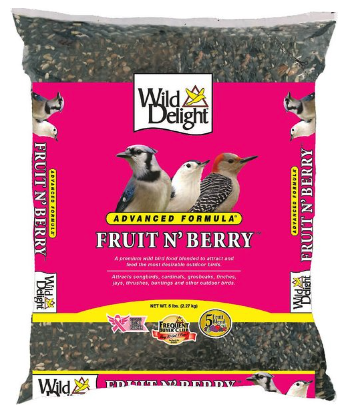
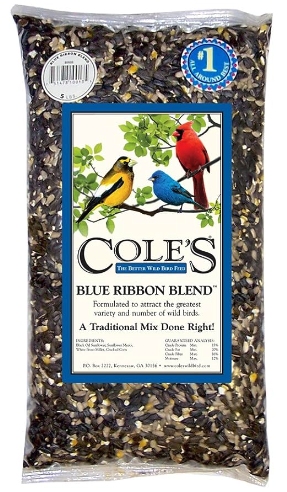
Mixes For Songbird Species:
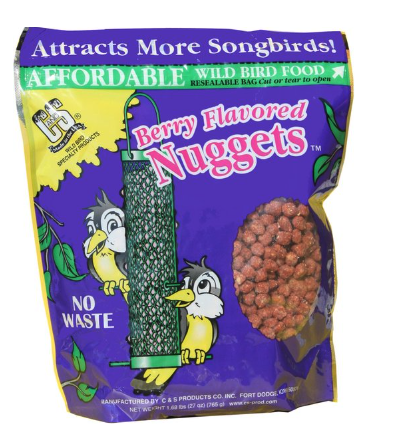
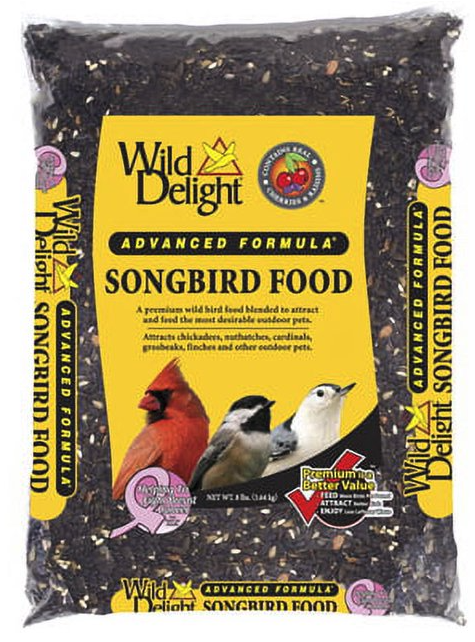
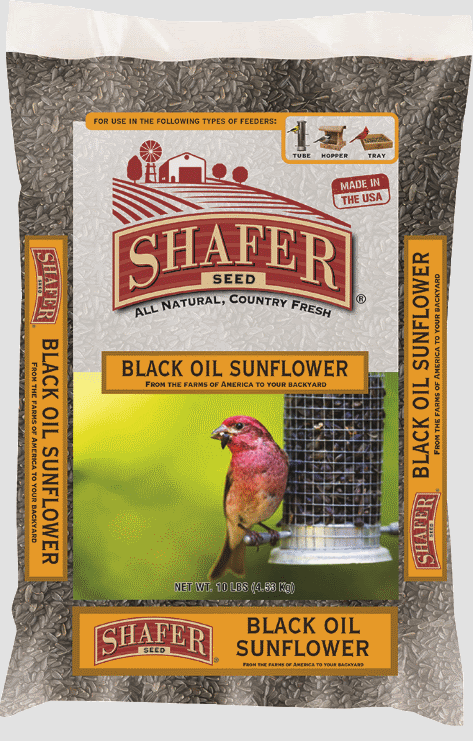
Designed for Suet/Insect-Loving Species:
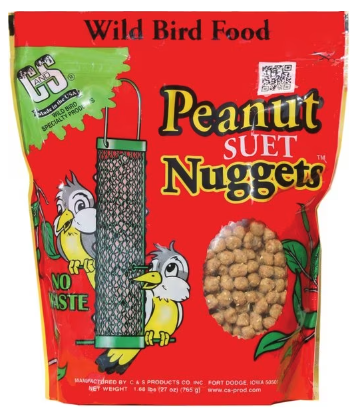
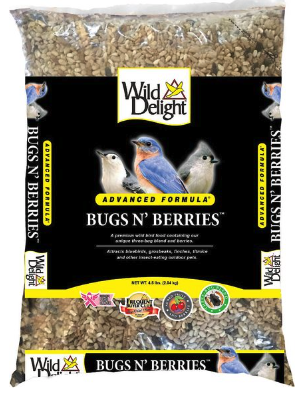
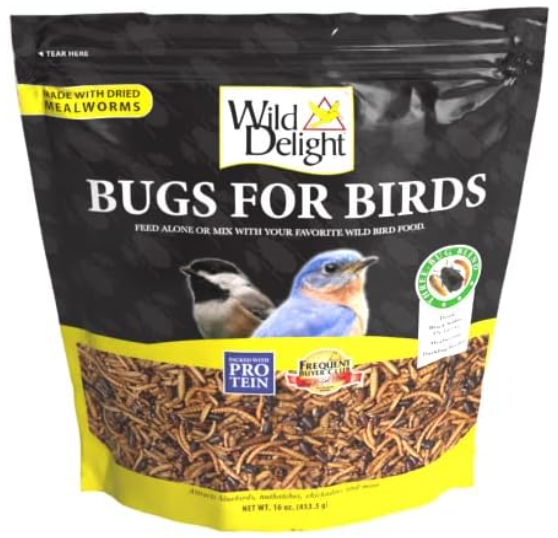
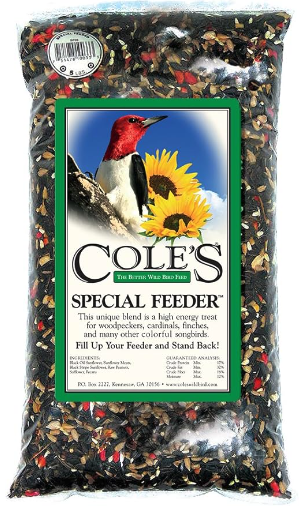
Mixes for Specific Species:
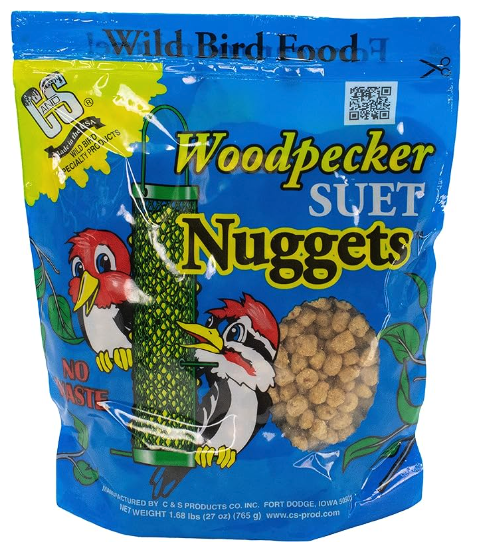
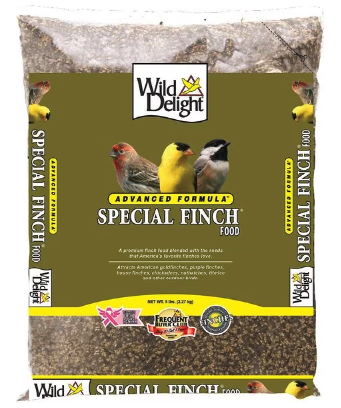
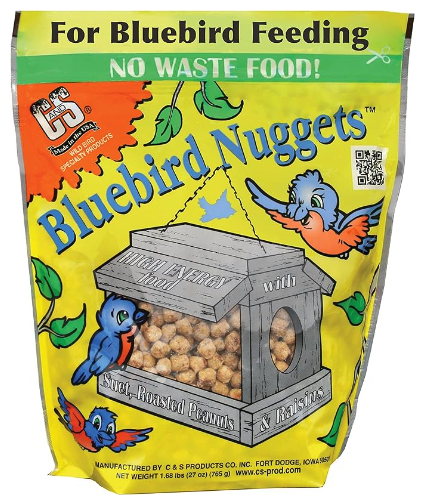
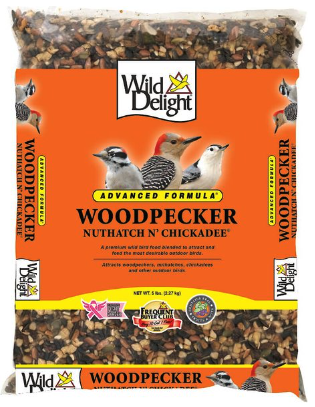
We have sticks selected for finches, woodpeckers, cardinals, and chickadees, as well as songbird and backyard bird blends.
Designed to Eliminate Mess:
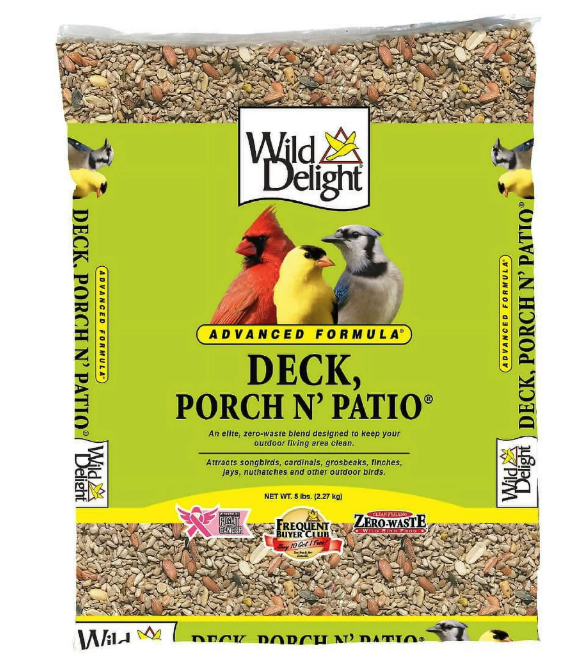
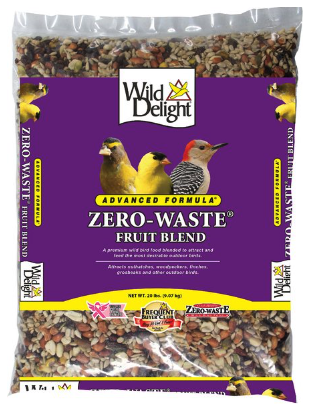
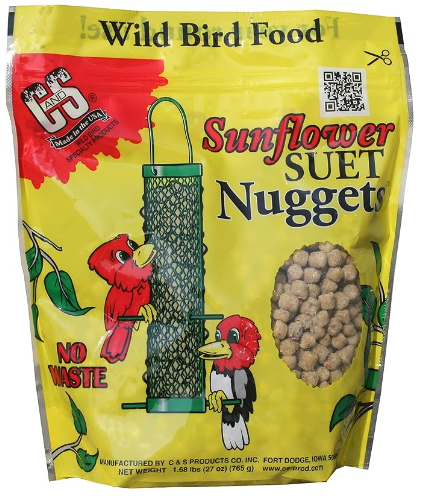
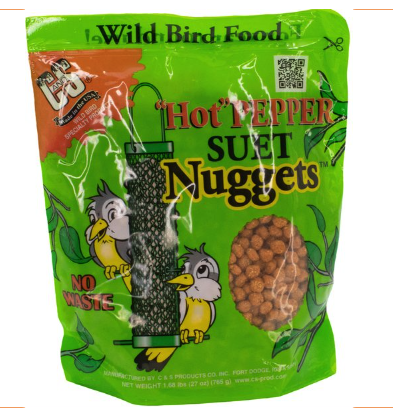
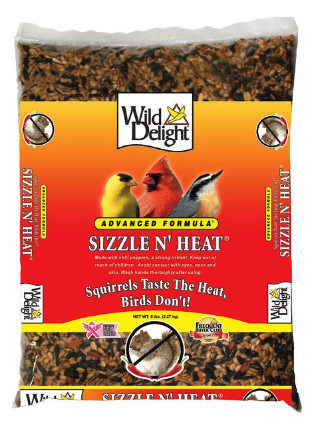
Mixes Designed to Keep Away Pests (and Attract More Birds!):
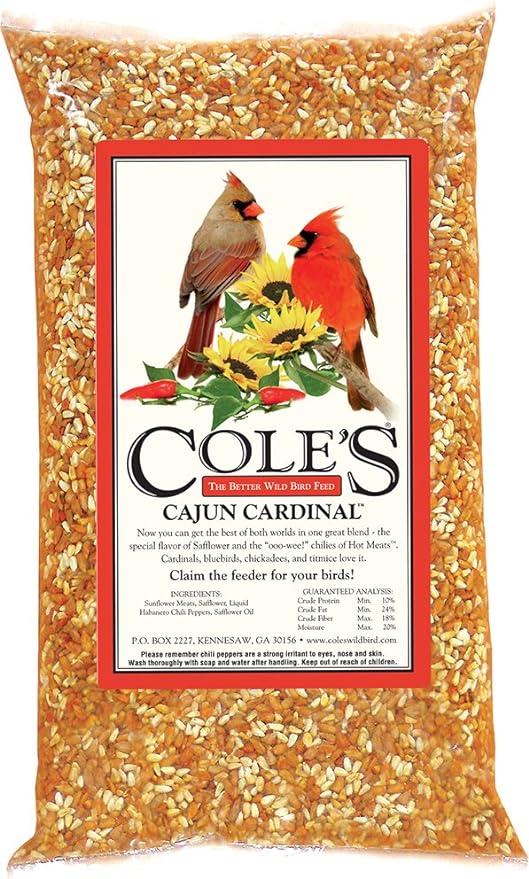
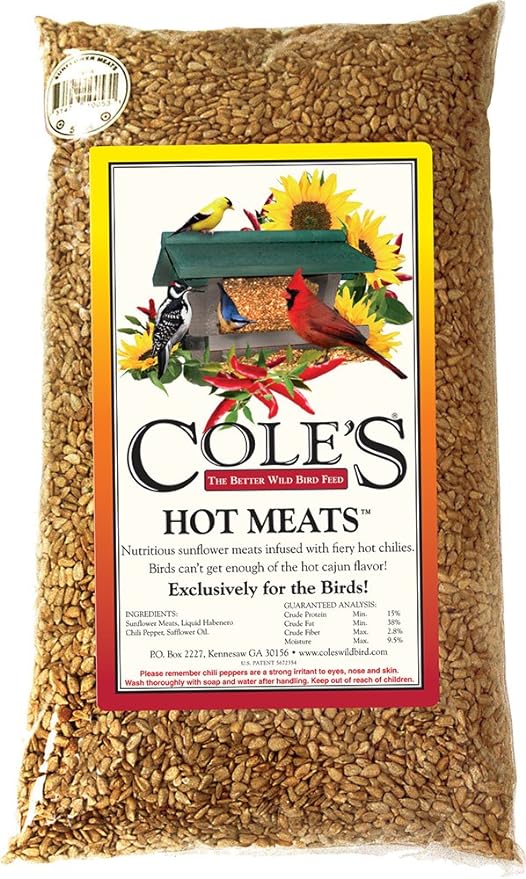
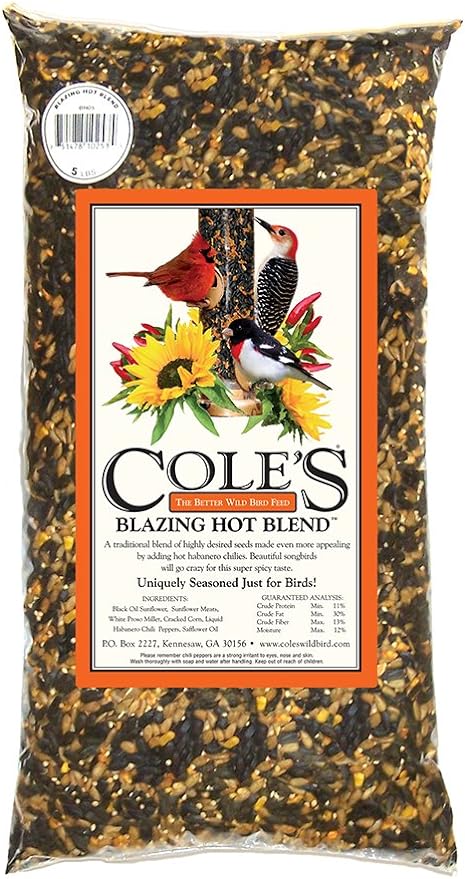
Placement, Water, and Shelter
Place feeders near trees, shrubs, or brush piles to provide protection from predators and harsh weather. Heated birdbaths or de-icing rocks ensure access to water when natural sources freeze. Native plants and dense vegetation offer critical shelter and encourage birds to stay longer.
Conclusion
Attracting unique winter birds takes thoughtful planning, but the reward is unforgettable backyard wildlife viewing. By offering the right feeders, specialized foods, and essential shelter, you can support these remarkable species through the coldest months. For quick reference on everything covered in this article, the Cornell University Ornithology Lab has put together this amazing guide to all kinds of birds.
If you have any questions that weren’t answered or need more information, feel free to stop by and see us at either the Broad St. or Mechanicsville location. You can also give us a call or drop us an email at info@stranges.com. We’re here to help you grow better!
Connect with Strange’s:
Instagram: @StrangesRVA Facebook: @Strange’s Florist
Mechanicsville: 804-321-2200 West Broad: 804-360-2800