My Cart
1-800-421-4070




Richmond's Favorite Everyday Floral Arrangements
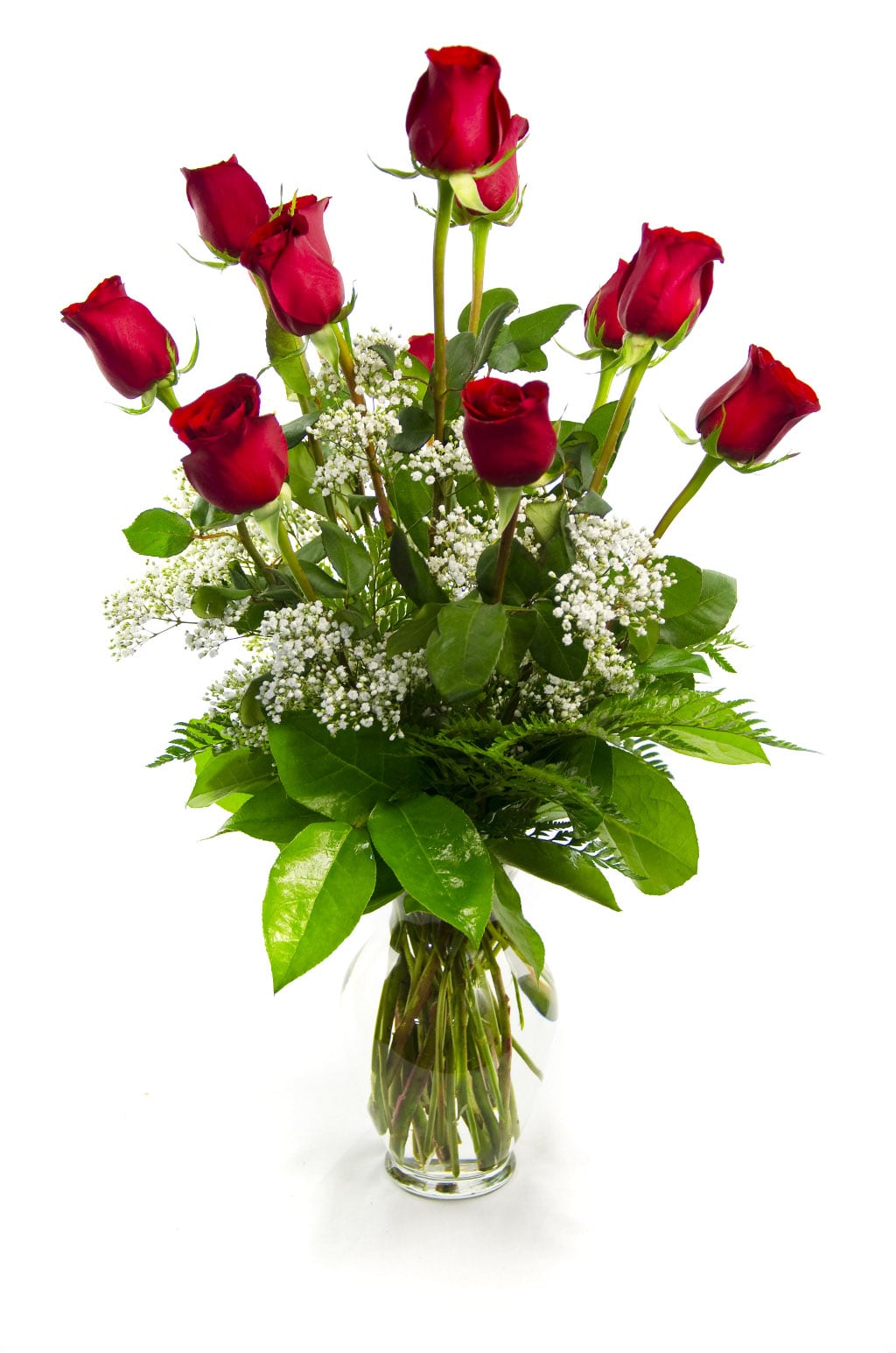
Perfect for anniversaries or simply saying "I love you,"a Dozen Roses with Baby's Breath is the clas ..
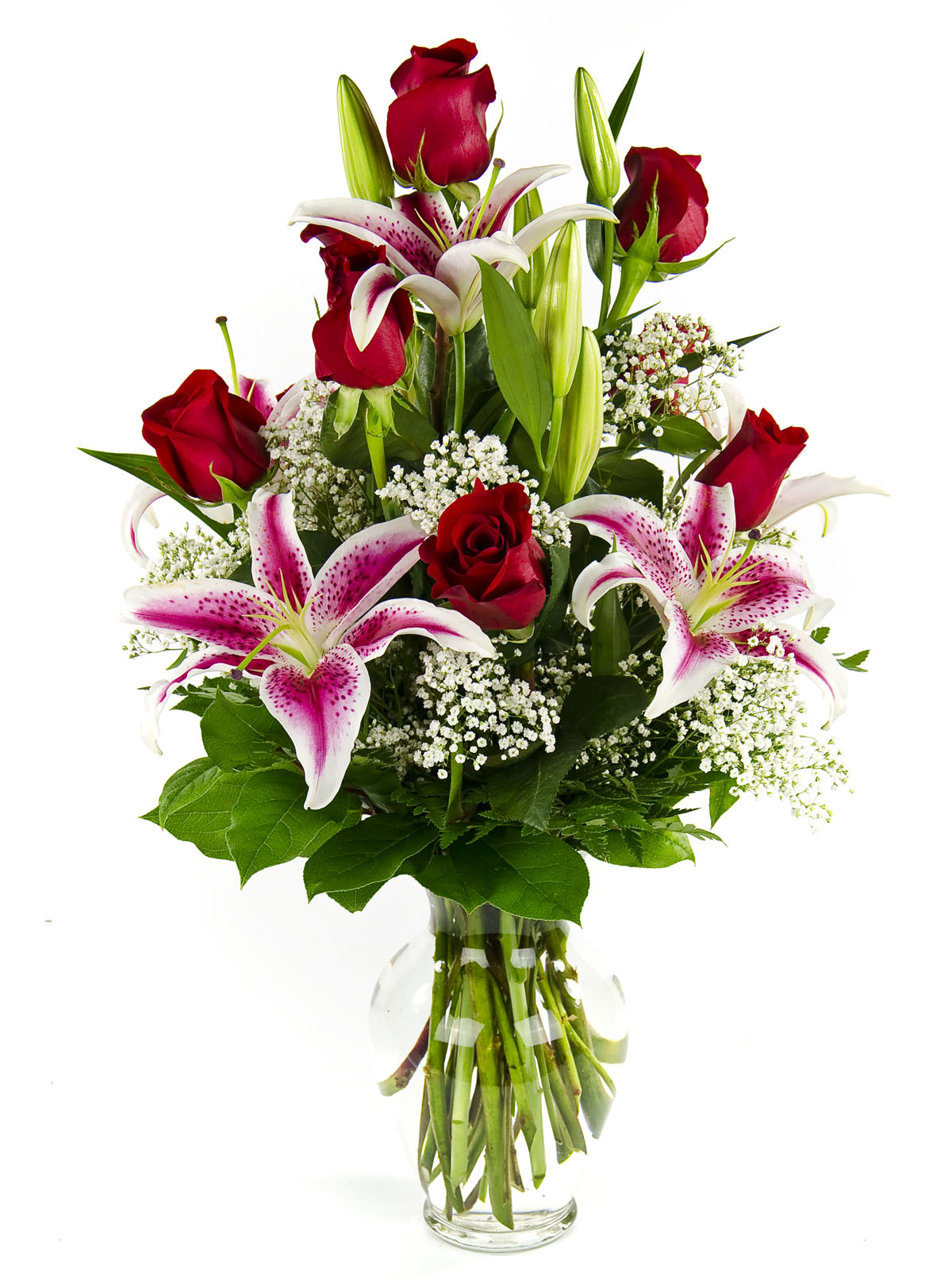
Nine elegant Red Roses paired with three aromatic Stargazer Lilies and a few stems of Baby's Breath ..
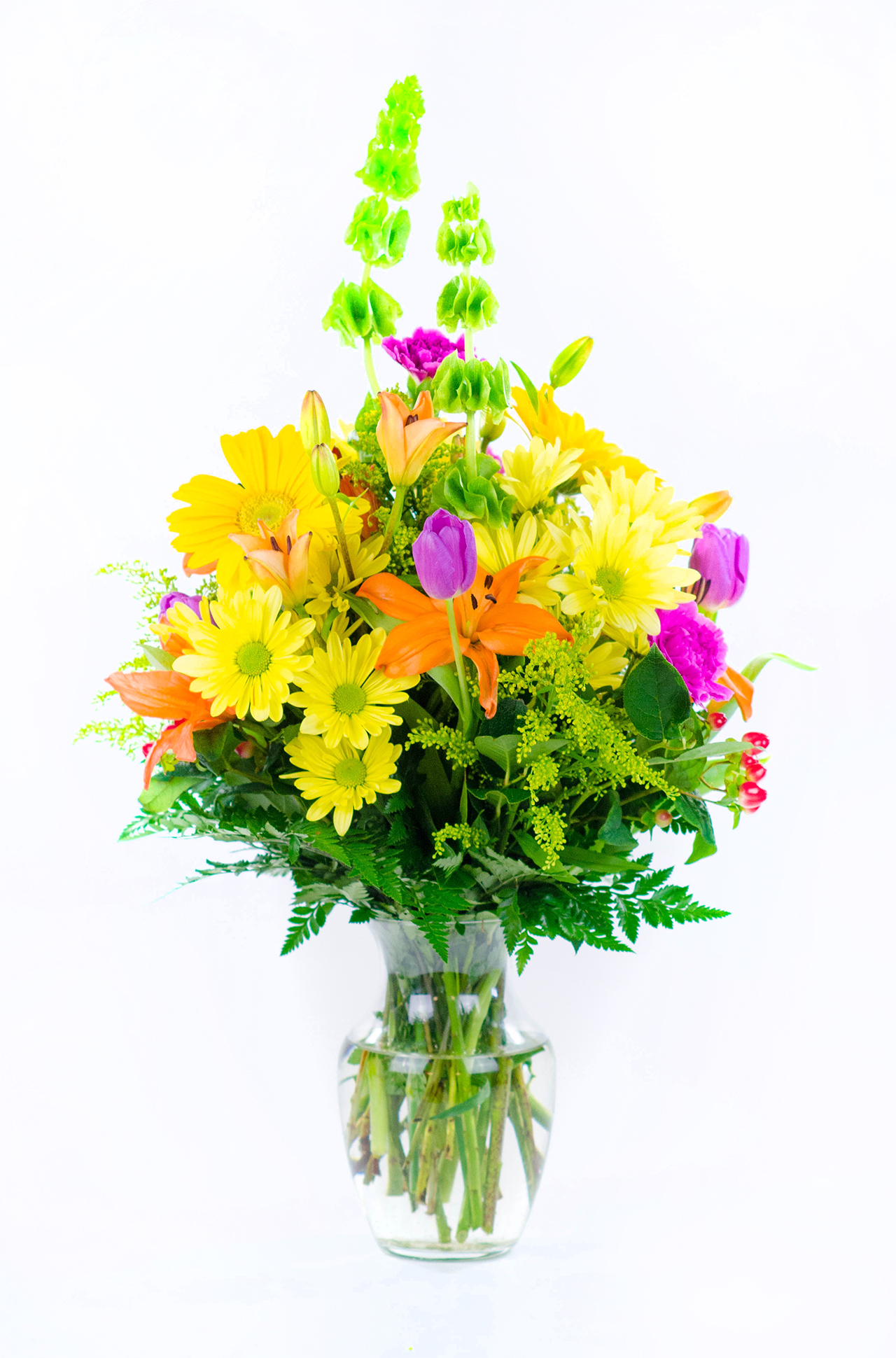
Send a burst of energy and positivity with our "Fruit Punch" arrangement, a vibrant and colorful bou ..
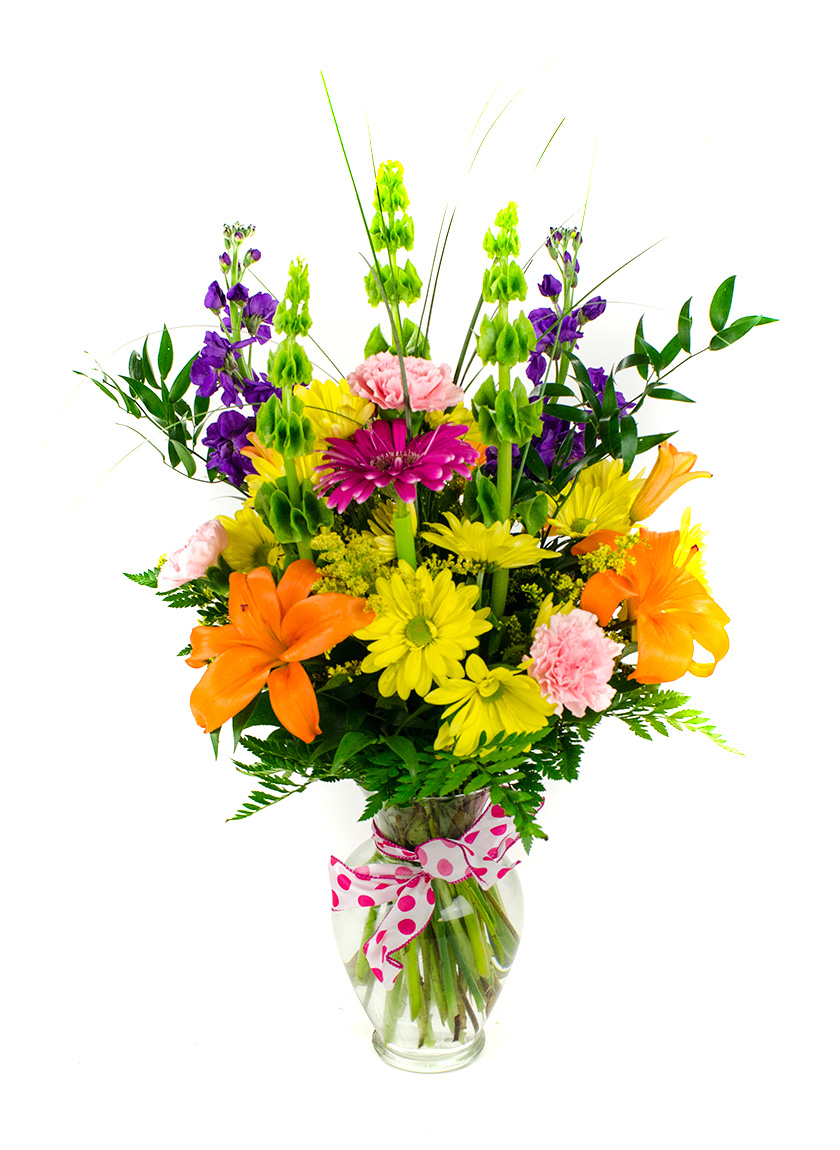
Wow them with a pop of color. This arrangement is sure to please!
Arrangement D ..
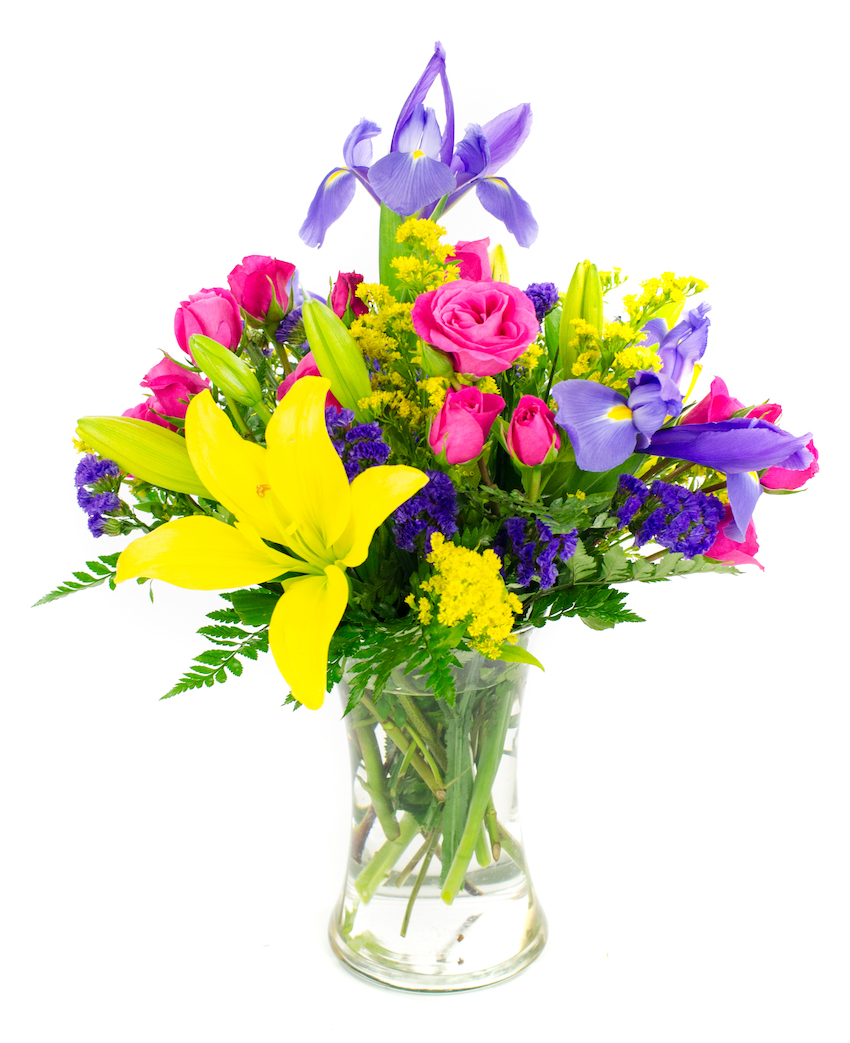
This handmade arrangement brings a unique purple and yellow look to any room.
Additio ..
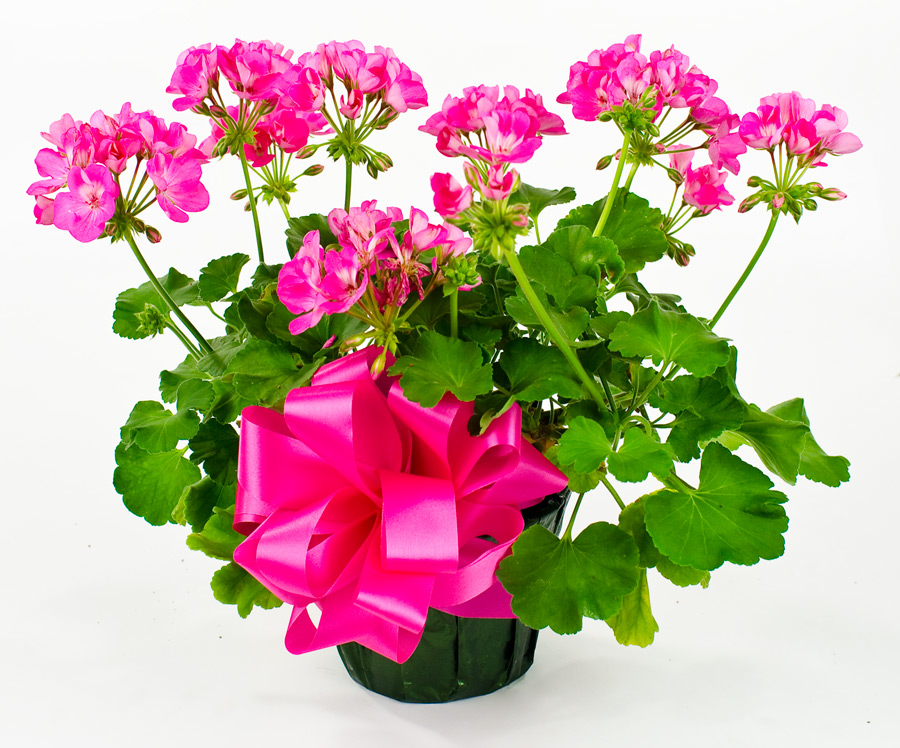
A blooming geranium as a delivered gift is perfect for any plant lover.
..
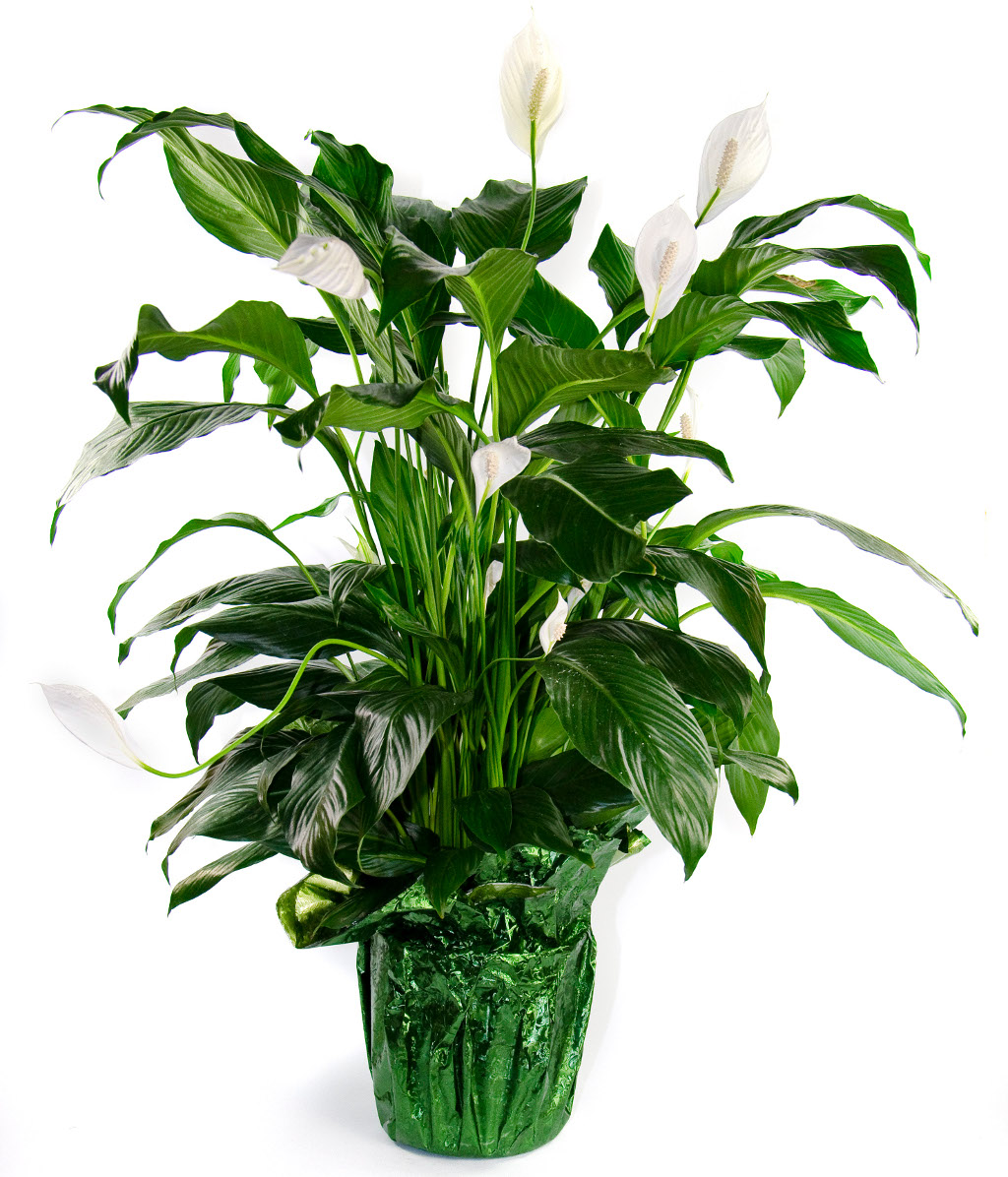
The peace lily is great for sympathy or to brighten an office environment.
6" is approx ..
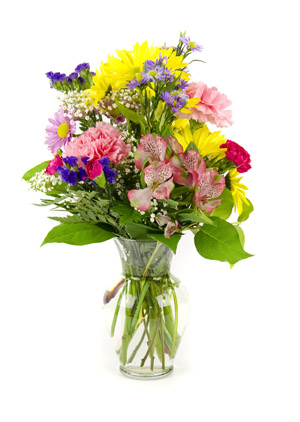
Welcome the warmth of spring with our "Breath of Spring" arrangement! Featuring a cheerful mix of ca ..
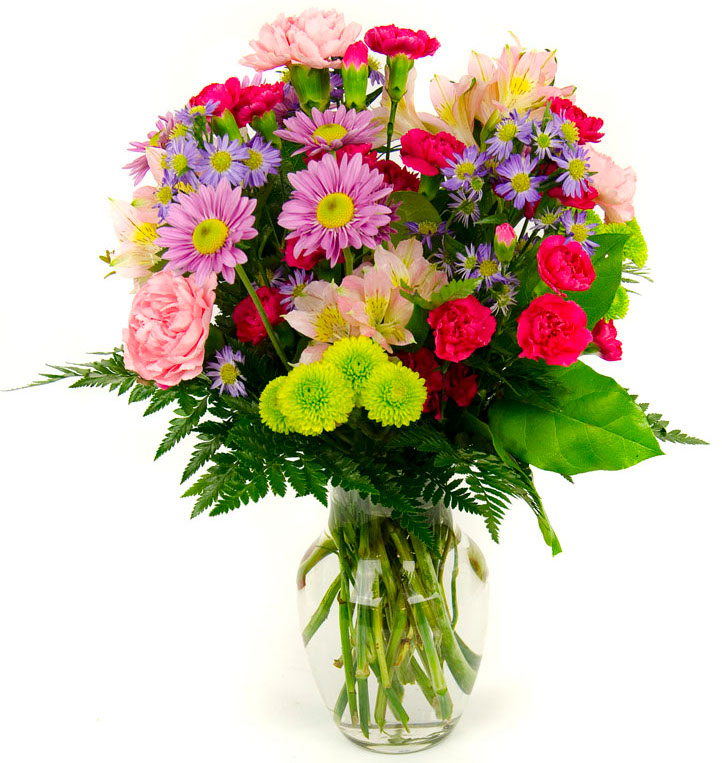
Surprise your loved one with this Spring arrangement. Great for the home or office.
..
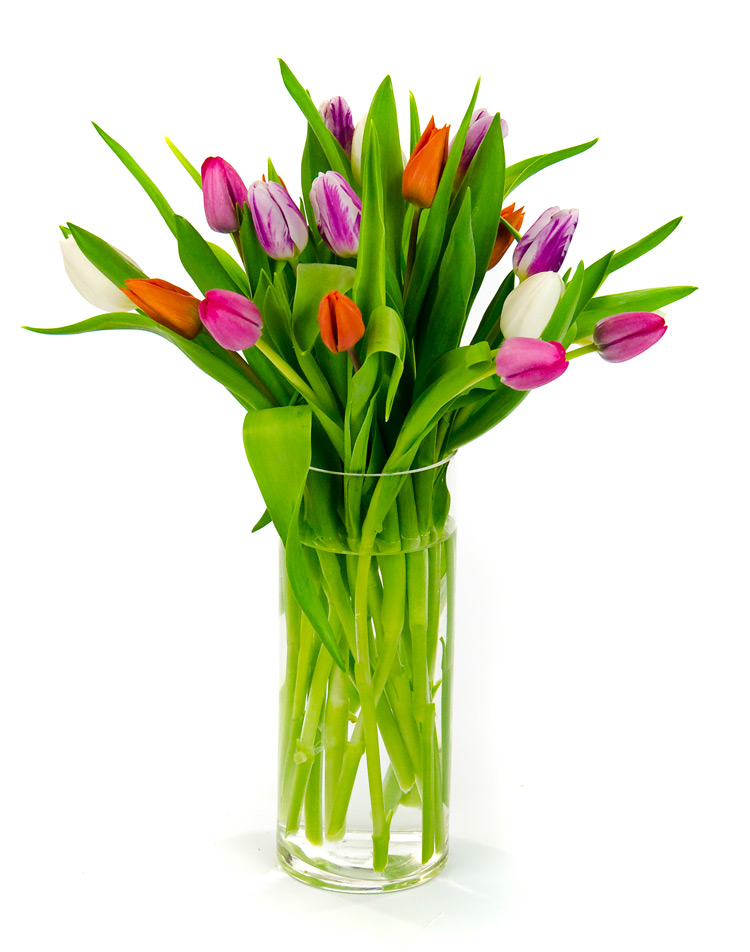
This floral arrangement features a variety of multi-colored tulips, arranged in a beautiful 8 inch g ..
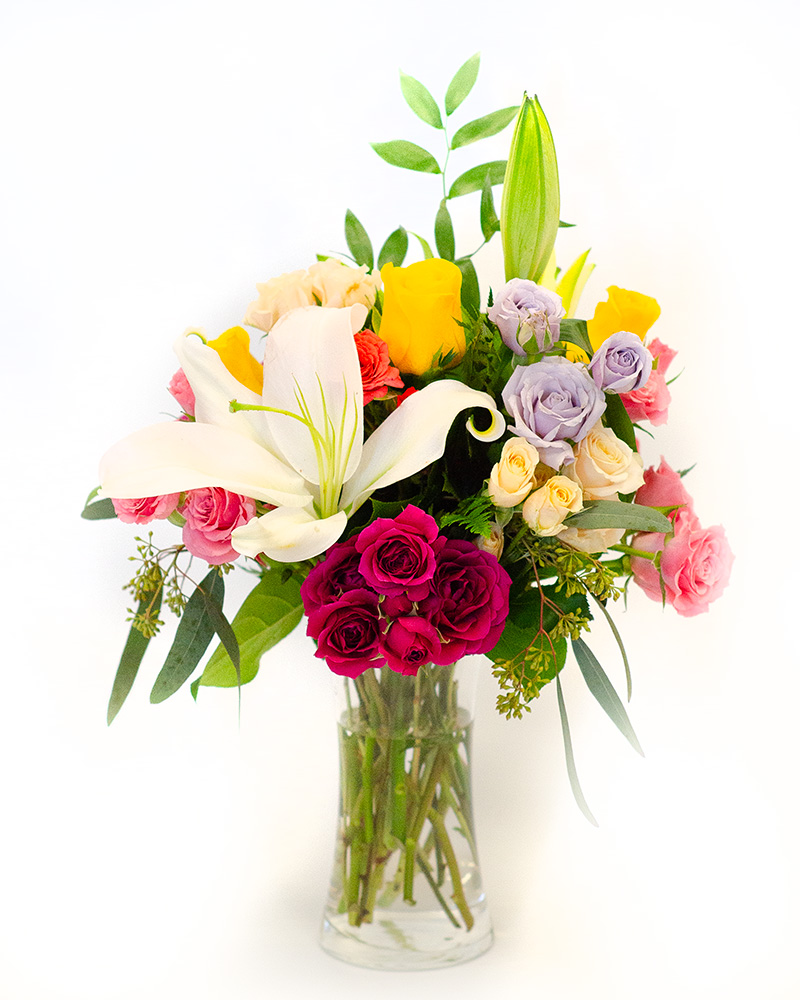
Our "Coming Up Roses" arrangement is just what you need to brighten up your day or the day of someon ..
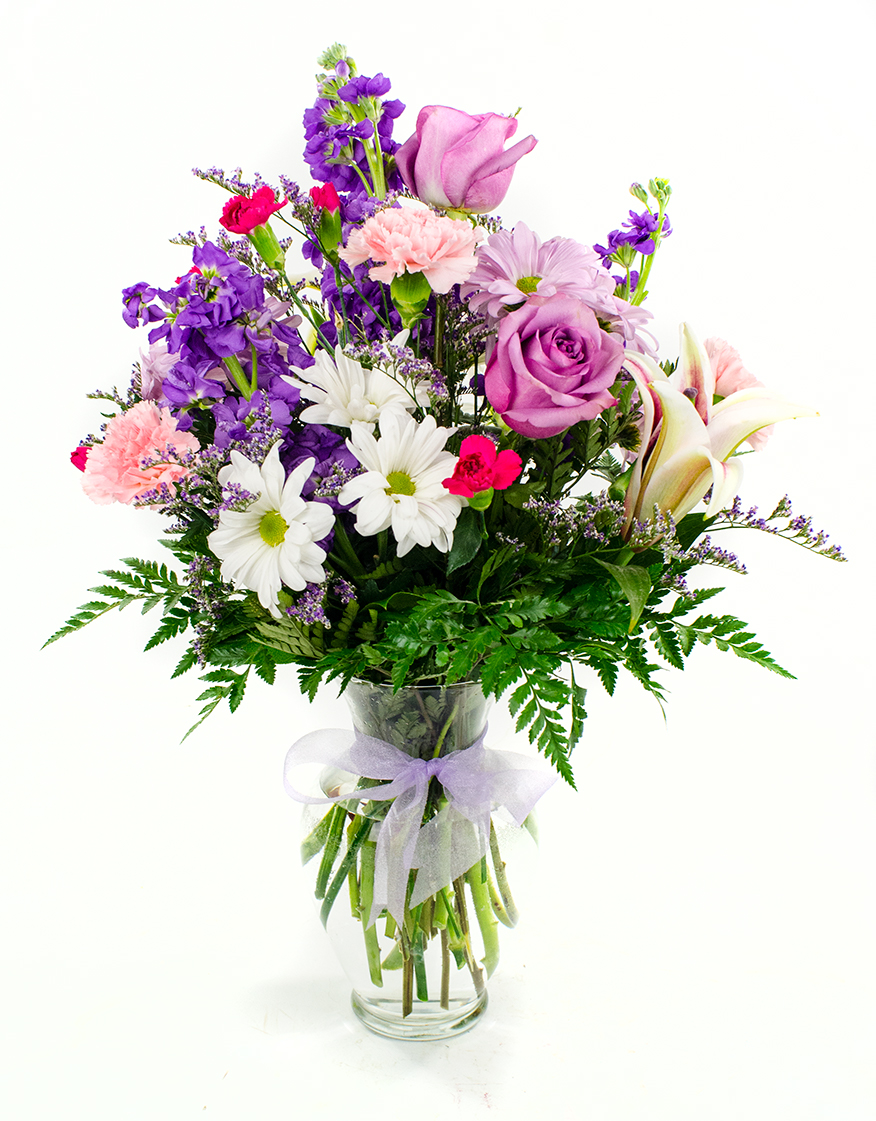
Take your loved one for a walk in the garden today with this handmade arrangement.
Flow ..
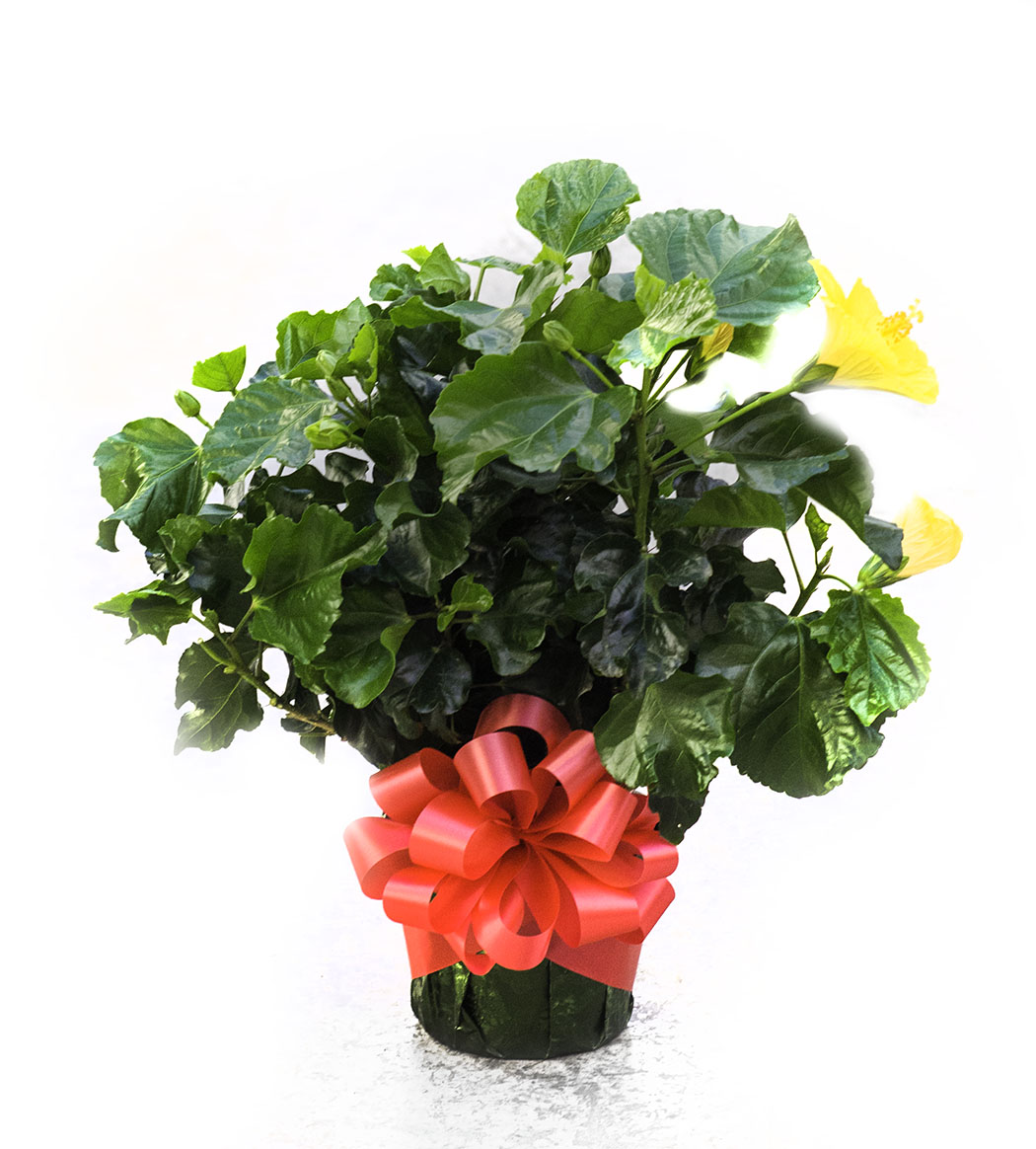
Hibiscuses are inspiring tropical plants that prefer to be in full sun and well drained soil. They d ..
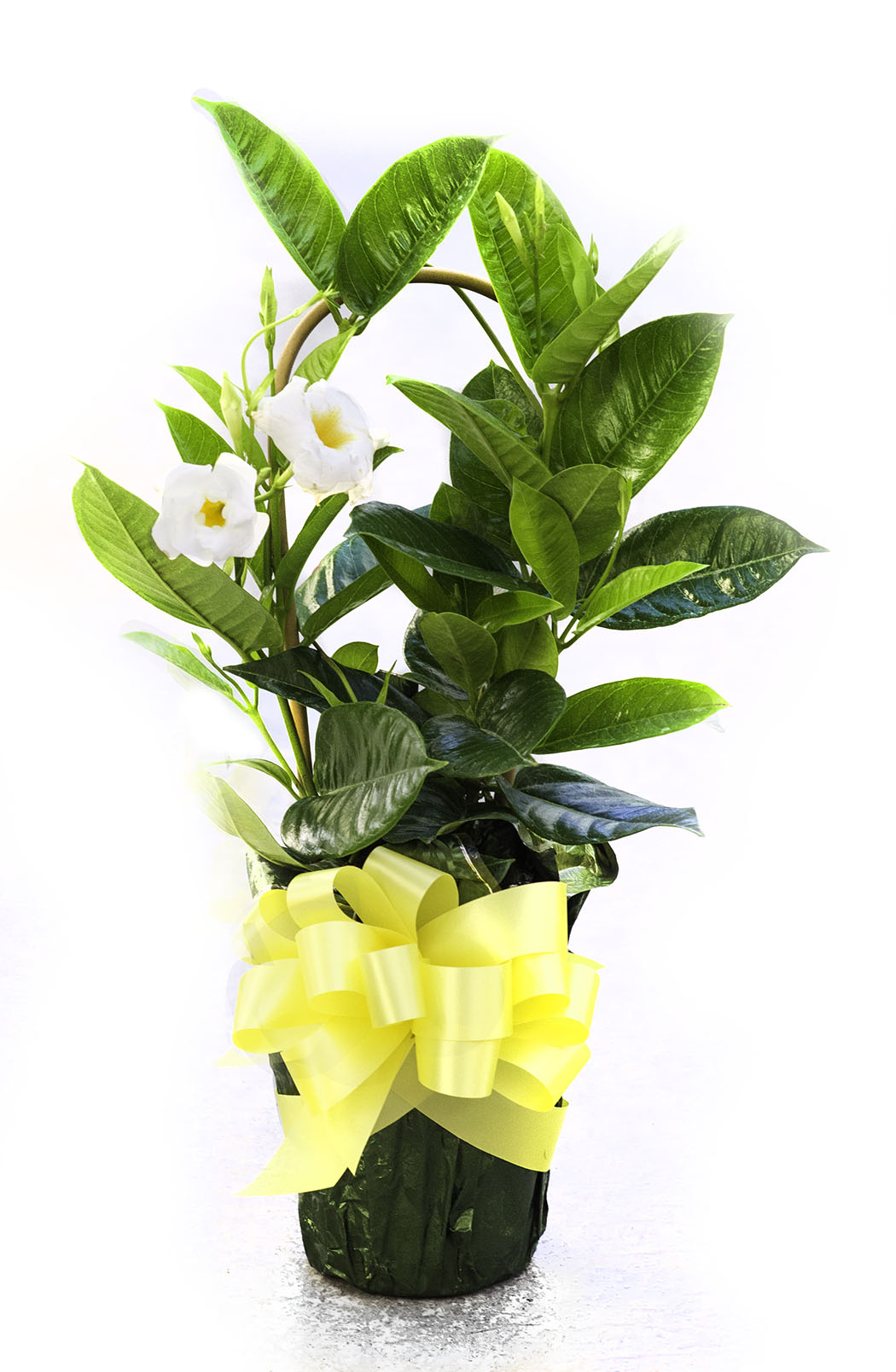
Mandevilla are gorgeous tropical plants that prefer to be in full sun and well drained soil. They do ..
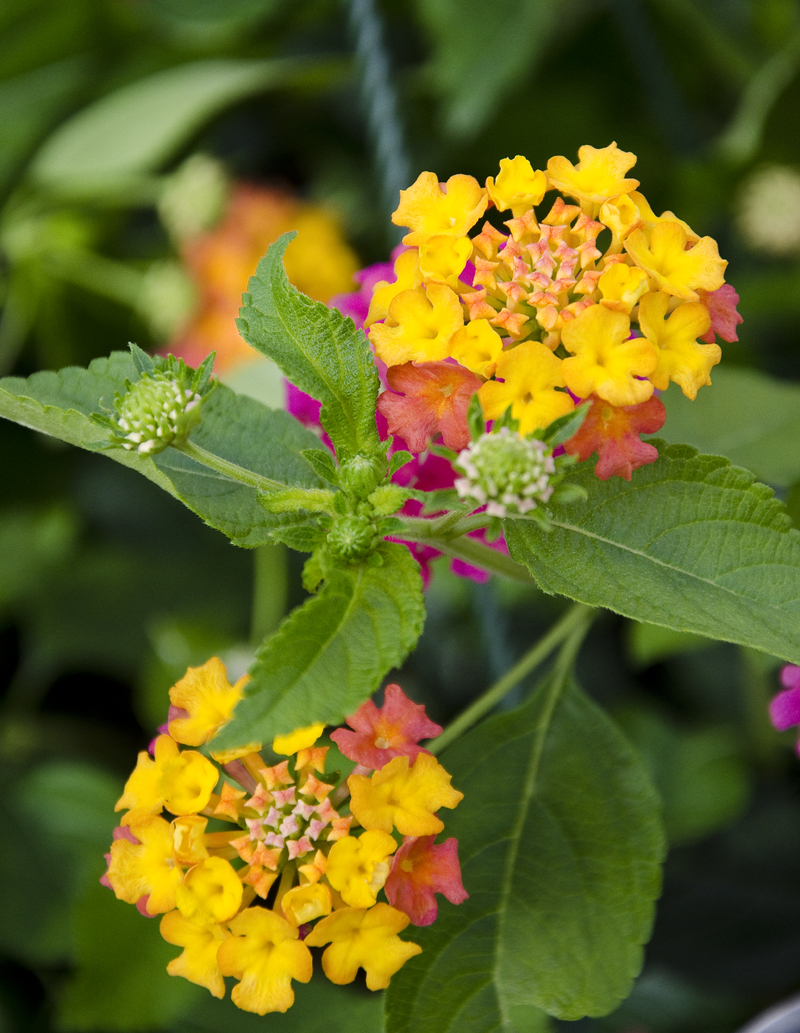
Lantana is prized for it's sun loving bright foliage.
They grow with vigor and tolerate be ..